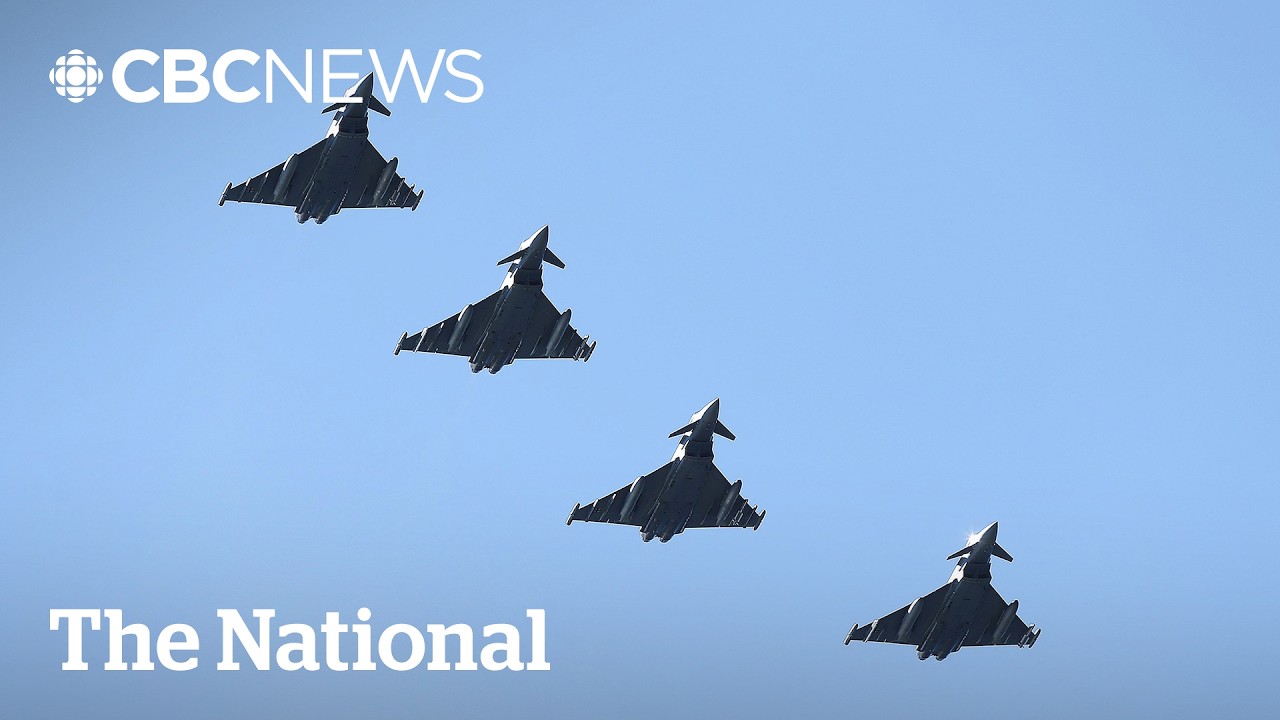
Typhoon Deployment: UK's Role in Escalating Middle East Tensions
The Middle East remains a geopolitical crucible, an arena where shifting alliances, historical grievances, and modern power struggles converge. In this volatile landscape, the United Kingdom has once again affirmed its commitment to regional security, a move underscored by the recent deployment of additional
UK fighter jets to the Middle East. Specifically, four extra Eurofighter Typhoon jets have been dispatched to Qatar, a decision that highlights both the evolving threats in the region and Britain's strategic imperatives. This deployment, confirmed by political leaders, signifies more than just a military reinforcement; it reflects a proactive stance in safeguarding British interests, personnel, and stability in a region teetering on the brink of wider conflict.
The decision comes amidst heightened anxieties following various incidents, including drone strikes that have targeted military installations. For the UK, ensuring the security of its vital military base in Qatar is paramount, not just for its own operational integrity but also for its broader contributions to allied security efforts. As European nations like France, Italy, and Spain also deploy naval assets to the Mediterranean, the collective intent appears to be a delicate balance: demonstrating resolve without overtly provoking a larger confrontation. This article will delve into the strategic motivations behind this significant deployment, the capabilities of the Typhoon jets, and the wider implications for UK foreign policy and regional dynamics.
The Rationale Behind the Deployment: Protecting Critical Interests
The deployment of extra
UK fighter jets to the Middle East is not an isolated incident but a direct response to a deteriorating security environment. The references point to "Iranian drone strikes" as a key catalyst, necessitating bolstered air defense capabilities. Qatar hosts significant British and American military assets, including the Al Udeid Air Base, a strategic hub for operations across the wider Middle East and Central Asia. Protecting this base is crucial for several reasons:
*
Safeguarding Personnel and Assets: The primary concern is always the safety of military personnel and the expensive, sophisticated equipment stationed there. Drone attacks, even if not highly destructive, pose a constant threat and demand robust countermeasures.
*
Maintaining Operational Continuity: Al Udeid is vital for intelligence gathering, surveillance, and reconnaissance (ISR) missions, as well as providing logistical support for various operations. Any disruption to its functionality would have far-reaching consequences for regional stability efforts.
*
Deterrence and Assurance: The presence of advanced fighter jets like the Typhoon sends a clear message to potential aggressors that British assets are well-defended, potentially deterring future attacks. It also reassures allies of the UK's commitment to collective security.
This proactive measure underscores the delicate balance the UK, alongside its allies, must strike in the Middle East. It’s about projecting strength and readiness without being perceived as overly aggressive, a critical distinction in a region where miscalculations can rapidly escalate.
A Proactive Stance Amidst Regional Volatility
The decision to send four additional Typhoons reflects a proactive shift. Rather than waiting for an incident to occur, the UK is reinforcing its defenses to deter potential threats and enhance its response capabilities. This pre-emptive approach is crucial in an era where asymmetric warfare, including drone attacks and cyber threats, is increasingly prevalent. The Middle East's security landscape is complex, with multiple state and non-state actors capable of instigating conflict. Therefore, a robust defensive posture is not merely advisable; it is essential for safeguarding long-term interests and contributing to the broader goal of regional de-escalation by discouraging provocative actions.
Understanding the Typhoon's Strategic Value in the Middle East
The Eurofighter Typhoon is one of the world's most advanced multi-role combat aircraft, making it an ideal choice for this critical deployment. Its capabilities extend far beyond simple air policing:
*
Air Superiority: Designed primarily as an air superiority fighter, the Typhoon can intercept and engage hostile aircraft or drones with exceptional agility and speed, protecting the airspace around the base.
*
Advanced Radar and Sensor Systems: Equipped with sophisticated radar (such as the Captor-E AESA radar) and sensor suites, the Typhoon can detect, track, and engage multiple targets simultaneously, even in complex electronic warfare environments.
*
Missile Capabilities: It can carry a diverse array of air-to-air missiles, including the long-range Meteor and the short-range ASRAAM, providing layered defense against airborne threats.
*
Ground Attack Potential: While its primary role in this context is defensive air-to-air, the Typhoon is also capable of precision ground attack, offering flexibility should the mission parameters shift to include offensive counter-air or strike operations against launch sites.
The deployment of such high-calibre
UK fighter jets to the Middle East significantly upgrades the defensive capabilities of the UK base in Qatar. It acts as a formidable deterrent, capable of neutralizing a wide spectrum of aerial threats, from advanced combat aircraft to slower, smaller drones.
Beyond Air Defense: A Deterrent Message
Beyond its technical specifications, the Typhoon's presence carries a significant political and psychological weight. It signals the UK's unwavering commitment to its allies and its strategic presence in the region. This isn't just about shooting down drones; it's about projecting power and resolve. The visible increase in advanced military hardware serves as a stark warning to any party contemplating hostile actions against British or allied interests. This deterrent effect is often as valuable as, if not more than, the actual defensive capabilities themselves, contributing to a more stable, albeit tense, regional dynamic.
Broader Implications for UK Foreign Policy and Regional Stability
The deployment of additional
UK fighter jets to the Middle East is a microcosm of a larger geopolitical strategy. For the UK, maintaining influence and stability in the Middle East is multifaceted:
*
Energy Security: The region remains crucial for global energy supplies, and stability here directly impacts global markets and UK energy security.
*
Counter-Terrorism: The Middle East is a focal point for counter-terrorism efforts, and maintaining a military presence allows the UK to contribute to these vital operations.
*
Global Partnerships: Collaborating with allies like Qatar, the US, and other European nations reinforces diplomatic ties and shared security objectives.
*
Repatriation Efforts: Alongside military deployments, the UK government is also prioritizing the safety of its citizens. The confirmation that the first repatriation flight for Britons in the region has left Oman highlights the comprehensive approach to citizen welfare amidst regional tensions. This dual focus on military protection and civilian safety underscores the UK's responsible engagement.
The UK's strategy appears to be one of cautious engagement – protecting its assets and personnel, upholding international law, and contributing to a multi-national effort to contain regional conflicts, without being dragged into an outright war.
Navigating the Geopolitical Tightrope
This strategy is not without its risks. Increased military presence, even if defensive in nature, can be perceived as escalatory by certain actors, potentially fueling a cycle of retaliation. The UK, therefore, operates on a geopolitical tightrope, balancing the need for robust defense with diplomatic efforts to de-escalate tensions. The experience of other European nations deploying warships to the Mediterranean suggests a shared concern across the continent about the ripple effects of Middle Eastern conflicts. Coordinating these efforts and maintaining open lines of communication with all stakeholders, including adversaries, is paramount to avoiding unintended consequences.
*
Practical Insight: Understanding the nuances of regional power dynamics is crucial for effective foreign policy. The UK's approach demonstrates the need for agile diplomatic engagement alongside military readiness. Maintaining dialogue channels, even with states deemed adversarial, can prevent miscalculation.
*
Fact: The Eurofighter Typhoon can reach speeds of Mach 2 (twice the speed of sound), allowing for rapid response to threats over vast distances. Its ability to carry a wide range of munitions makes it exceptionally versatile in modern aerial warfare.
Conclusion
The deployment of four extra Eurofighter Typhoon jets to Qatar by the UK signifies a determined effort to bolster defenses and safeguard strategic interests in an increasingly volatile Middle East. This move, driven by concerns over drone attacks and the broader regional instability, underscores the UK's commitment to protecting its military personnel and assets, ensuring operational continuity at vital bases like Al Udeid, and contributing to allied security efforts. While primarily defensive, the enhanced presence of these advanced
UK fighter jets to the Middle East also serves as a powerful deterrent, sending a clear message of resolve. As the region navigates complex geopolitical currents, the UK's multifaceted approach – combining robust military preparedness with critical diplomatic engagement and citizen safety measures like repatriation flights – remains crucial for maintaining a delicate balance and striving for de-escalation in a world on edge. The future stability of the Middle East, and by extension, global security, will depend on such carefully calibrated responses and sustained international cooperation.